
The Catholic Defender: Can the Vatican and the US repair relations?
- Jun 9
- 2 min read
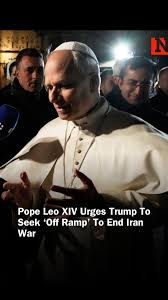
Yes, the Vatican and the US can repair their relations, and ongoing diplomatic efforts are actively working to bridge the gap.
Recent high-level diplomatic missions have focused on damage control after significant tensions arose. The dynamic involves several key elements
High-Level Dialogue: Secretary of State Marco Rubio held a 45-minute private meeting with Pope Leo XIV in Vatican City. Both parties described the discussions as "cordial" and reaffirmed a shared commitment to strengthening diplomatic ties and pursuing global peace.
Officials from both sides have highlighted mutual goals, including humanitarian work in the Western Hemisphere, protecting religious freedom, and navigating international crises.
The rift primarily stems from the Pope’s public criticism of President Trump’s policies, particularly his stance on immigration and threats of military action against Iran. The Pope previously condemned the threats as unacceptable and opted not to travel to the United States for the nation's 250th anniversary, further illustrating the divide.
There remain deep ideological differences regarding multilateralism, traditional alliances, and the use of force, though open lines of communication remain intact to de-escalate tensions.
Active diplomacy and mutual recognition of each other’s global roles continue to provide a foundation for managing and improving bilateral ties.
The US Embassy to the Holy See serves as a permanent bridge for direct communication.
Both powers routinely collaborate on human trafficking eradication, religious freedom advocacy, and international disaster relief.
The US recognizes the Pope’s vast soft power over 1.3 billion Catholics, while the Vatican recognizes US economic and geopolitical influence.
Joint coordination on global migration management and refugee assistance programs.
Historic cooperation in mediating international disputes, such as the 2014 diplomatic thaw between the US and Cuba.
Shared public campaigns fighting global modern slavery and protecting minority religious groups in conflict zones.
The Vatican often favors quiet, universal diplomacy (such as its provisional agreement with China), whereas Washington frequently pushes for firmer, public stances against autocratic regimes.
Right-leaning US administrations often align with the Vatican on traditional family structures and strict anti-abortion advocacy but clash over immigration, border walls, and social welfare.
Ultimately, the relationship is built to withstand domestic political shifts. Because the Holy See operates on a timeline of centuries rather than four-year election cycles, its diplomacy emphasizes long-term stability and institutional engagement over temporary political disagreements.
Despite temporary pauses in frontline fighting, the moral and political standoff between the Vatican's push for diplomacy and the White House's maximum-pressure strategy remains highly strained.
“The Holy Father’s call for peace, dialogue, and conversion of heart in the face of war arises not from partisanship or political bias, but from his Christian identity and mission as Supreme Pastor of Christ’s Church on earth,” said Archbishop Sample.


Comments